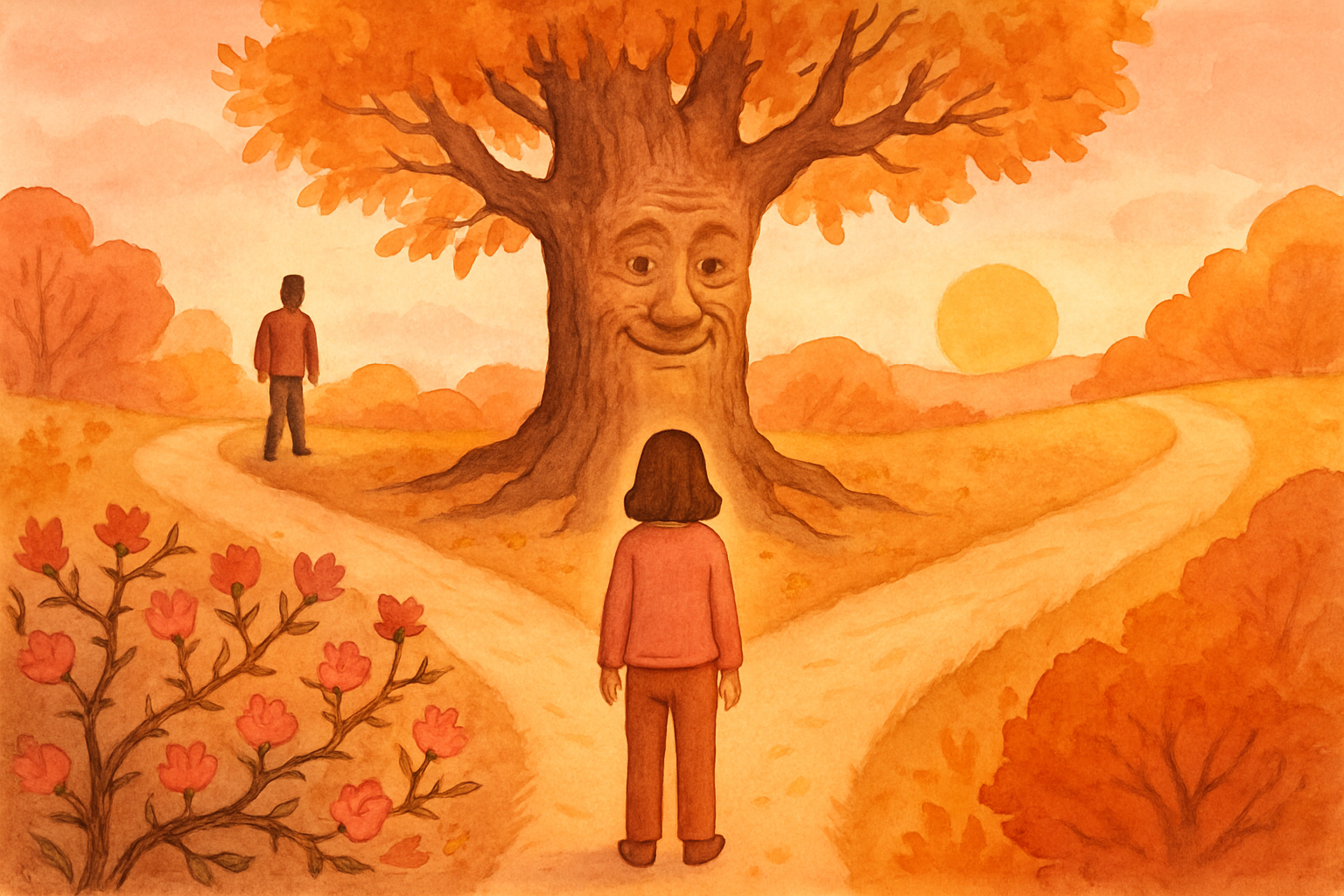
How to Know When to Give Someone a Second Chance (And When to Walk Away)
We've all been there—staring at our phone at 2 AM, wondering if we should text back that person who hurt us. Maybe they stood you up for a date, went hot and cold for weeks, or said something that cut deeper than they probably intended. Now they're back, apologizing and asking for another chance. Your heart says maybe, your brain says absolutely not, and your friends are split down the middle with their advice.
The truth is, second chances in relationships occupy this messy middle ground between hope and self-preservation. Give too many, and you risk becoming a doormat. Give too few, and you might miss out on something real because you judged someone's worst moment instead of their full character.
But here's what nobody talks about: most of us are terrible at evaluating when someone deserves a second chance because we're either too emotionally invested to think clearly or too hurt to see the situation objectively. We need a framework—something more reliable than "but I really like them" or "my gut says no."
Was It a Mistake or a Pattern?
The first and most crucial question you need to ask yourself is whether their behavior was an isolated incident or part of a larger pattern. This distinction matters more than almost anything else.
A mistake is forgetting your birthday because they had a family emergency. A pattern is consistently forgetting important dates despite multiple conversations about how much they matter to you. A mistake is canceling a date last-minute because they got food poisoning. A pattern is habitually canceling plans whenever something "better" comes up.
Here's the thing about patterns: they reveal character. Someone who repeatedly shows up late, constantly changes plans, or regularly prioritizes other people over you is telling you exactly who they are. Maya Angelou wasn't just being poetic when she said "When someone shows you who they are, believe them the first time"—she was giving relationship advice that could save you months or years of heartache.
But mistakes? Everyone makes them. Even good people have bad days, get overwhelmed, or handle situations poorly. The key is looking at the broader context. Has this person generally been respectful, considerate, and consistent? Or does this "mistake" fit into a larger story of unreliability?
One way to evaluate this is to imagine explaining their behavior to a neutral third party. If you find yourself making a lot of excuses or providing extensive context to justify their actions, you're probably dealing with a pattern, not a mistake.
Did They Own It Without Being Asked?
This might be the biggest green flag when it comes to second chances: genuine accountability without prompting. Notice I didn't say they apologized—lots of people apologize. I said they owned it.
There's a world of difference between "I'm sorry you're upset" and "I'm sorry I hurt you by not showing up when I said I would. That was disrespectful of your time, and I understand why you're angry." The first is damage control; the second is accountability.
True ownership looks like this: they acknowledge specifically what they did wrong, they recognize the impact it had on you, and they take responsibility without deflecting or making excuses. They don't blame their ex, their job stress, or their "trust issues." They don't say "I'm sorry, but..." or "I didn't mean to..." They simply acknowledge their behavior and its consequences.
Even better is when someone reaches this realization on their own. If you had to explain why their behavior was hurtful or unacceptable, that's concerning. Adults should be able to recognize when they've crossed a line without needing a detailed breakdown of why canceling three dates in a row might be problematic.
Research on apologies shows that the most effective ones include acknowledgment of wrongdoing, acceptance of responsibility, and a commitment to change. But here's what the research doesn't capture: the gut feeling you get when someone truly understands what they did versus when they're just saying what they think you want to hear.
Is This About Who They Are or a Situation They Were In?
Sometimes good people act badly because of circumstances. Job loss, family illness, mental health struggles, or major life transitions can make even the most considerate person behave in ways that are out of character. The question is: are you dealing with someone's temporary circumstances or their permanent character?
Situational factors might include:
- A demanding work project that consumed all their time and mental energy
- A family crisis that left them emotionally unavailable
- A recent breakup or personal loss they were still processing
- Financial stress that made them reluctant to make concrete plans
Character issues look like:
- Consistently prioritizing their needs over others'
- An inability to communicate honestly about their feelings or intentions
- A history of treating people poorly when stressed or uncomfortable
- A pattern of making commitments they don't keep
The key difference is whether their behavior changes when the situation improves. If someone was distant and unreliable during a family crisis but becomes present and consistent once things stabilize, you might be dealing with circumstances. If they continue the same patterns regardless of what's happening in their life, you're dealing with character.
This is where having some relationship history helps. If you've only known someone for a few weeks, it's harder to distinguish between their usual self and their stressed self. But if you've seen them navigate other challenges with grace and consideration, that data point matters.
Has Your Gut Feeling Changed, or Are You Just Tired of Being Alone?
This question requires brutal honesty with yourself. Are you considering giving them another chance because something fundamental has shifted in how you feel about them, or because you're lonely and they're familiar?
Loneliness is a terrible decision-maker. It makes us lower our standards, ignore red flags, and convince ourselves that mediocre treatment is better than no treatment at all. It whispers things like "maybe they're right for you" and "everyone has flaws" and "you're being too picky."
But here's the truth: being alone is infinitely better than being with someone who makes you feel alone. If you're considering a second chance primarily because you miss having someone to text goodnight or because you're tired of dating apps, that's not a good enough reason.
Real gut instincts about second chances feel different. They're usually accompanied by thoughts like "I can see how they might have handled this differently" or "their apology actually addressed my concerns" or "I'm curious to see if they follow through on their commitment to change." These feelings are about them and your dynamic together, not about your general desire for companionship.
One way to test this: imagine your ideal partner appeared tomorrow. Would you still be interested in giving this person a second chance? If the answer is no, then you're probably settling out of loneliness rather than choosing out of genuine interest.
When "They Just Need Time" Is True Versus a Story You're Telling Yourself
"They just need time" might be the most dangerous phrase in modern dating. It's the story we tell ourselves when someone's actions don't match their words, when they seem interested but won't commit, when they disappear for days then resurface with minimal explanation.
Sometimes people do need time—legitimate time for legitimate reasons. Maybe they're processing the end of a long relationship, dealing with family issues, or figuring out their career situation. But needing time and stringing you along are two different things.
Someone who legitimately needs time will:
- Be honest about what they're dealing with and why they need space
- Give you a realistic timeline or check-in points
- Respect your decision if you choose not to wait
- Not keep you emotionally engaged while being physically or practically unavailable
Someone who's stringing you along will:
- Be vague about what they need time for
- Keep pushing back timelines without clear reasons
- Get upset when you try to create boundaries or consider other options
- Continue to seek emotional support and intimacy without offering commitment
The harsh reality is that when someone wants to be with you, they make it happen. They don't need months to "figure things out" if the feelings are real and the situation is workable. Time becomes an excuse when someone enjoys the benefits of your attention without wanting to reciprocate fully.
If someone asks for time, give them a specific deadline—not an ultimatum, but a boundary for yourself. "I'm happy to give you space to figure things out. Let's check in at the end of the month and see where we both stand." Then actually stick to it.
The Sunk Cost Fallacy: Why Time Invested Isn't a Reason to Stay
One of the biggest traps in evaluating second chances is the sunk cost fallacy—the idea that because you've already invested time, energy, or emotion into someone, you should continue investing even when it's not working.
You've been talking for three months. You've met their friends. You've had deep conversations and shared vulnerable moments. The thought of "starting over" with someone new feels exhausting. So when they mess up, you think about all that history and wonder if you should just work through it.
But here's what matters: not the time you've already spent, but whether continuing to invest your time is likely to give you what you're looking for. Past investment is a sunk cost—it's gone regardless of what you decide to do next.
This shows up in relationships constantly:
- "We've been dating for six months" (so what if those six months have been mostly frustrating?)
- "I've already introduced them to my family" (but do they treat you well?)
- "We have so much history together" (is that history positive or are you just comfortable with dysfunction?)
The healthiest question to ask yourself is: "If I met this person today, knowing everything I know about how they handle conflict, commitment, and communication, would I want to date them?" If the answer is no, then your shared history isn't a good enough reason to continue.
The Dignity Test: What Would You Tell Your Best Friend?
Sometimes the clearest perspective on whether someone deserves a second chance comes from imagining you're advising your best friend instead of making the decision for yourself.
Picture your most beloved friend coming to you with your exact situation. They tell you about the missed dates, the mixed signals, the apology, the request for another chance. They ask you what you think they should do.
What would your advice be?
Chances are, it would be much clearer and more protective than the advice you're giving yourself. We're often willing to accept treatment for ourselves that we'd never want our friends to endure. We make excuses for people's behavior toward us that we'd immediately recognize as red flags if they were directed at someone we care about.
This isn't just about getting objective perspective—though that's valuable. It's about accessing your own wisdom and intuition without the clouding effects of attraction, loneliness, or hope. You actually know what healthy treatment looks like. You can recognize the difference between someone who made a mistake and someone who doesn't respect you. You're just sometimes too close to your own situation to see it clearly.
The dignity test also helps you access your values. What kind of treatment do you believe people deserve in relationships? What behaviors are deal-breakers for you in theory? Those standards don't change just because you have feelings for someone.
When Second Chances Actually Work
Not all second chances are bad ideas. Some of the strongest relationships involve people who initially got off on the wrong foot but were able to course-correct once they better understood each other's needs and communication styles.
Second chances tend to work when:
- The issue was genuinely about timing or circumstances rather than compatibility
- Both people are willing to have honest conversations about what went wrong
- There's a clear plan for how things will be different moving forward
- The person asking for a second chance has already started making changes, not just promising them
- You can see evidence of their character and values beyond the specific incident
For example, maybe someone was emotionally unavailable while job hunting but became present and engaged once they found work. Maybe they didn't understand how much communication mattered to you but shifted their approach once you explained it. Maybe they were dealing with anxiety that affected their dating behavior but have since started therapy.
The key is evidence of change, not just promises of it.
Using Data to Inform Your Decision
While your intuition and emotions are important inputs when deciding about second chances, they're not the only ones. Sometimes objective data can help clarify whether someone is fundamentally compatible with you or whether you're dealing with surface-level issues that can be resolved.
This is where understanding your deeper compatibility patterns becomes valuable. Maybe your communication styles clash but your values align. Maybe you want the same things long-term but have different approaches to dating. Maybe you're both commitment-oriented people who just had different expectations about timing.
When you can see the bigger picture of how you connect—beyond just the specific incident that caused the problem—you can make more informed decisions about whether someone's worth a second chance. If the underlying compatibility is strong but the circumstances were challenging, that's different from a situation where you're fundamentally mismatched and trying to force something that isn't there.
Understanding these deeper patterns also helps you have more productive conversations about what went wrong and how to prevent similar issues in the future. Instead of just rehashing the specific incident, you can address the underlying dynamic that caused it.
Stop Wondering. Start Playing.
Pairloom turns the conversations that matter into games you'll actually enjoy. Instead of wondering about compatibility or second chances, discover how you really connect through engaging questions and research-backed insights. Invite your partner and get clarity on your relationship dynamics—in minutes, not months.
Stop wondering. Start playing.
Pairloom turns the conversations that matter into games you'll actually enjoy. Invite your partner and discover how you really connect — in minutes, not months.